OUR HISTORY
A late 19th-century building shaped by its mining history and now restored to its original identity by Montevecchio Srl. The company’s shareholders — the three brothers Gianni, Stefano and Antonello, sons of Luigi Ecca — are historically and economically connected to the mining village of Montevecchio, which from 1848 onwards represented a European benchmark for mining activity for over a century, contributing significantly to the economic and social development of the territory.
The Hotel
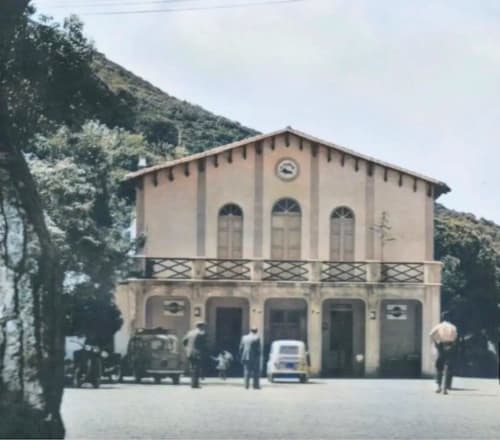
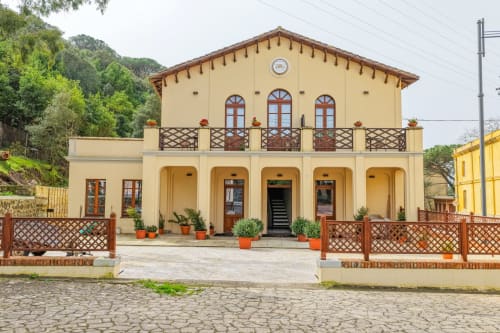
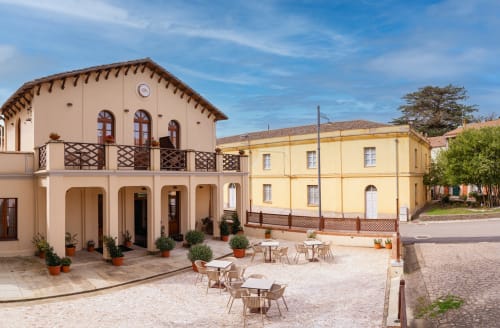
Albergo Al Cinghiale was built in the late 19th century within the mining village of Montevecchio, at the gateway to the Costa Verde.
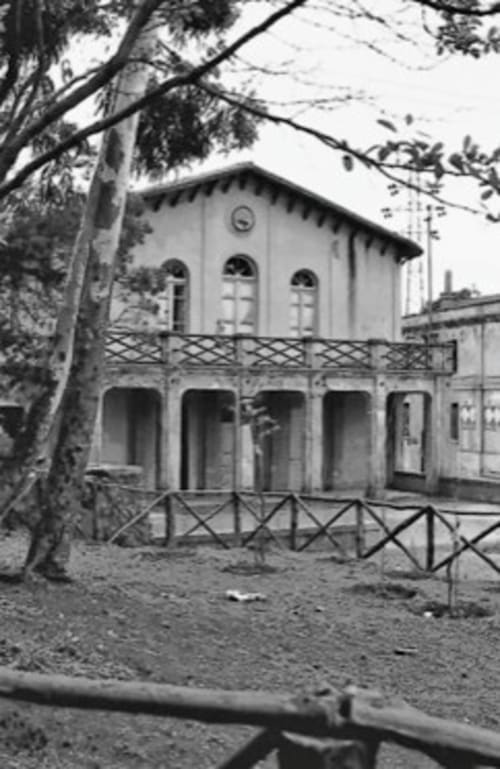
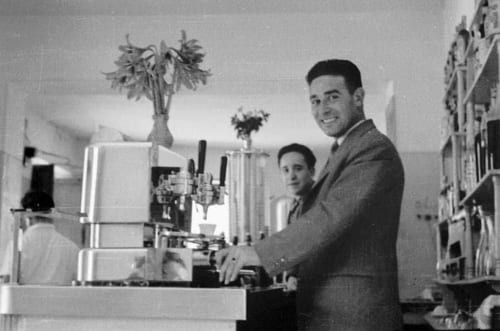
After being abandoned in the late 1960s, the building was restored and brought back to life in full respect of its historical identity, preserving its original character while adapting the interiors to welcome guests in an authentic setting.
The property, of significant historical and cultural value, is protected under monument heritage status by the Ministry of Culture since 2004. All restoration works were carried out under the supervision of the Archaeology, Fine Arts and Landscape Authority for the provinces of Cagliari and Oristano.
Overlooking the village’s main square, the hotel offers 10 rooms, most of them located on the upper floor, while the reception and breakfast area are situated on the ground floor.
After being abandoned in the late 1960s, the building was restored and brought back to life in full respect of its historical identity, preserving its original character while adapting the interiors to welcome guests in an authentic setting.
The property, of significant historical and cultural value, is protected under monument heritage status by the Ministry of Culture since 2004. All restoration works were carried out under the supervision of the Archaeology, Fine Arts and Landscape Authority for the provinces of Cagliari and Oristano.
Overlooking the village’s main square, the hotel offers 10 rooms, most of them located on the upper floor, while the reception and breakfast area are situated on the ground floor.
The village
A few kilometres from Arbus and Guspini, the former mining area of Montevecchio developed along a lead and zinc vein and is one of the main sites of the Sardinian Geomining Historical and Environmental Park.
Montevecchio and Albergo Al Cinghiale represent a privileged starting point for exploring a wider territory where identity, nature and culture intertwine, offering an authentic experience in one of the island’s most untouched areas.
Set within a landscape of notable natural value, the village is ideal for those seeking quiet and unspoilt scenery. The area is home to the Sardinian deer, a symbolic species of the region, and extends down to the sea across the municipality of Arbus, where visitors will be able to see the structures that profoundly shaped the history of the surrounding communities, bearing witness to the mining activity carried out from 1848 to 1991.
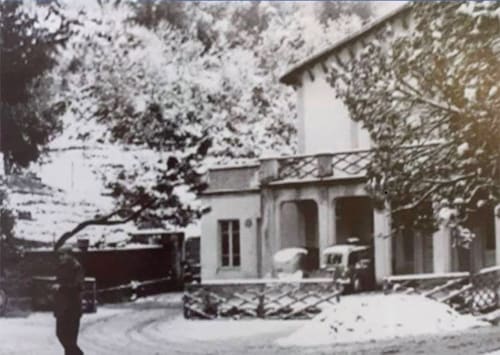
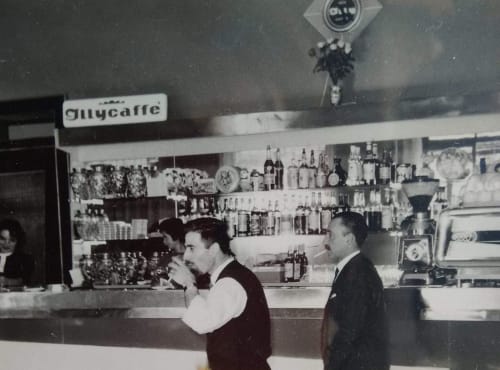
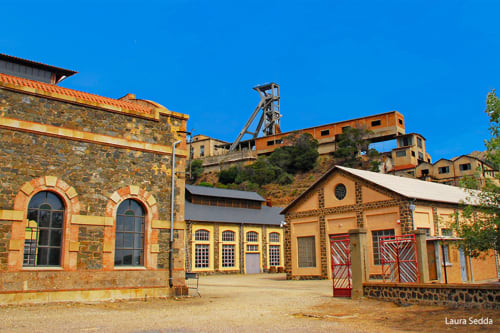
The mining history remains visible in the preserved architecture and structures throughout the village, including the Management Palace, the Mineral Museum, the Diorama Museum, the Sanna Castoldi Collection and several historic mine shafts that are partially accessible today.
Montevecchio and Albergo Al Cinghiale represent a privileged starting point for exploring a wider territory where identity, nature and culture intertwine, offering an authentic experience in one of the island’s most untouched areas.
Set within a landscape of notable natural value, the village is ideal for those seeking quiet and unspoilt scenery. The area is home to the Sardinian deer, a symbolic species of the region, and extends down to the sea across the municipality of Arbus, where visitors will be able to see the structures that profoundly shaped the history of the surrounding communities, bearing witness to the mining activity carried out from 1848 to 1991.
The mining history remains visible in the preserved architecture and structures throughout the village, including the Management Palace, the Mineral Museum, the Diorama Museum, the Sanna Castoldi Collection and several historic mine shafts that are partially accessible today.